Buying New Construction in Charlotte Before Drywall Goes Up
Your real deadline is a construction milestone, not a calendar date. Bring in your own agent before you sign, line up a licensed home inspector early, and ask the builder to notify you when rough-ins finish. After insulation and drywall go up, you can’t see what’s inside the walls.
When should you bring in an agent and an inspector on a new build?
Buying New Construction in Charlotte safely means getting your own agent and a licensed home inspector involved before insulation and drywall conceal the framing, plumbing, electrical, and mechanical work. In North Carolina, a pre-drywall inspection is a defined service with a written contract and a written report, so you know exactly what you’re paying for. Schedule it around a construction milestone, not a calendar date, and treat it as one checkpoint alongside the builder’s warranty, the municipal inspections, and your final inspection.
Key Takeaways
- A North Carolina pre-drywall inspection is a limited inspection done before plumbing, electrical, mechanical, structural, insulation, and other components are concealed by finishes.
- The inspector must use a written contract before the inspection and deliver a written report that lists what was inspected, what wasn’t, and why.
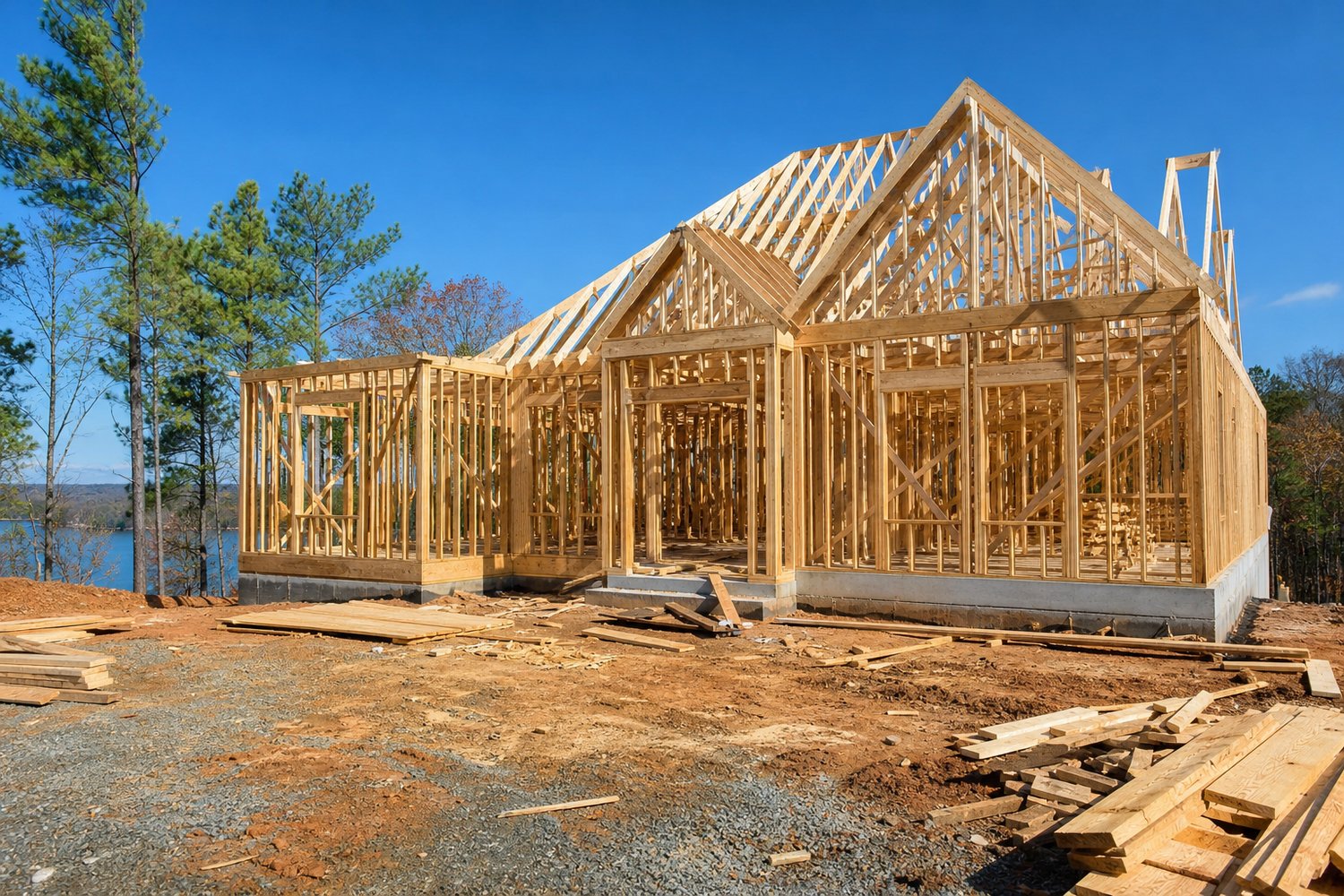
- The right timing is after framing and rough-in work are in place but before insulation and drywall cover the open cavities.
- North Carolina’s pre-drywall standard should not be assumed to govern a home across the state line in South Carolina, such as in Indian Land.
- A pre-drywall inspection is one checkpoint, not a guarantee, so you still need a later inspection before closing.
What does buying new construction in Charlotte look like before drywall?
It looks like a series of construction milestones where you, your agent, and your inspector get eyes on the work before it’s covered. The biggest mistake I see is treating a new build like a finished product you’ll inspect at the end. By then, a lot of what you paid for is behind the walls.
When should you hire a buyer’s agent for a new build?
Hire your agent before you sign anything, and ideally before your first visit to a model home. The sales representative at a builder’s model works for the builder. Your agent works for you, and that difference matters most in the contract, where access rights, selections, and timelines are set.
When you bring me in early, I’m reading the contract with your construction milestones in mind. I ask what notice you’ll get, who can enter the site, and how change orders and upgrade selections are documented. If you want to see how that conversation starts, my post on what to ask before you register at a model home covers the first visit, and what to check before signing a new build covers the contract side.
Which construction milestones should you discuss before committing?
Discuss every stage from framing through the final walk-through, and ask the builder to tell you when the home reaches each one. A production subdivision can move from rough inspections to insulation and drywall quickly, so ask for the last practical access date before you commit.
Here’s how I think about the sequence:
| Milestone | What is still visible | Why it matters |
|---|---|---|
| Framing complete | Framing, wall cladding, flashing, windows, doors, roof penetrations | Structural and exterior-envelope work is easiest to judge while it’s open |
| Rough-ins complete | Plumbing, electrical, and mechanical routing | You can compare locations of fixtures and outlets against your selections |
| Insulation installed | Cavities begin to be covered | The window to inspect open cavities is closing or closed |
| Drywall hung | Walls are closed | Hidden work can no longer be verified by eye |
| Final or pre-settlement | Finished surfaces, trim, appliances, completed exterior | Visible deficiencies can be documented in writing as punch-list items |
Ask your builder, in writing, for advance notice of framing completion, rough-ins, insulation, drywall, substantial completion, and the final walk-through.
Why does the drywall stage matter so much?
Because it’s the point where open cavities become finished walls. The state’s own definition of a pre-drywall inspection centers on this idea, describing a service performed before components are concealed by insulation and finishes.
My own position is blunt: if the drywall is already up before you have representation and an inspector involved, I’d rather you pass on that home and look at one earlier in the build than buy it blind. Your situation may be different, and that’s the kind of call we make together.
What does a North Carolina pre-drywall inspection cover?
It covers a defined set of structural, exterior, and system components, documented in a written report. The North Carolina Home Inspector Licensure Board defines it as a limited inspection performed before plumbing, electrical, mechanical, structural, insulation, and other components are hidden by finishes.
What should be in the inspector’s contract?
A written agreement before the inspection, with specific terms. Under the Board’s pre-drywall rule (11 NCAC 08 .1117), the contract must say the inspection follows the Board’s standards, state the services and cost, and disclose when the inspection is limited to selected systems or components.
That last point matters. A full pre-drywall inspection and one limited to selected systems are not the same product, so confirm which one you’re hiring. Also confirm the inspector is licensed in North Carolina and that the agreement names the pre-drywall inspection specifically.
What does the inspector actually look at?
The inspector looks at structure, the exterior envelope, and plumbing. The listed components include foundations, floors, walls, columns or posts, ceilings, roofs, framing, wall cladding, flashing, doors, windows, roof penetrations, and plumbing.
In my experience, the details worth your attention are the ones that become difficult or impossible to verify later:
- Framing alterations, or damaged or improperly drilled structural members
- Missing or misplaced blocking
- Window and door flashing
- Penetrations through the building envelope
- Plumbing and electrical routing, plus ductwork
- Shower or tub plumbing
- Locations of future fixtures and outlets
Ask the inspector whether the engagement also includes HVAC, foundation, and visible drainage or waterproofing details, so nothing is assumed.
What will the written report tell you?
It tells you what was inspected, what wasn’t, and what to do about it. The state standard requires the report to identify inspected systems, components that were not inspected and why, apparent defects or improper installation, the implications of reported defects, and recommended repair, monitoring, or further investigation.
Does a pre-drywall inspection guarantee a defect-free home?
No. The rule describes conditions “as inspected at the time” and requires the report to disclose limitations and inaccessible components. It documents visible open-cavity work before concealment. It doesn’t replace the builder’s warranty, municipal inspections, engineering review, or your final inspection.
What should you get from the builder, and what happens if problems turn up?
Get documents before concealment, get findings handled in writing, and plan one more inspection afterward. Buying new construction in Charlotte goes better when the paper trail is as clear as the walls are open.
Which builder documents should you request?
- The approved plan set
- Your option and upgrade selections
- Change orders
- Rough-in details for any buyer-selected features
- Product specifications
- Any available municipal inspection results
I compare these against your purchase contract and selections so a missing outlet or a changed layout is caught while it’s still cheap to fix.
Can your inspector go inside during construction?
The standard North Carolina form contemplates it. The New Construction Addendum from NC REALTORS® and the North Carolina Bar Association lets the buyer or a designated representative enter at reasonable times, without interfering with construction, to determine whether the work conforms to the contract. Your builder’s contract can add its own terms, so read yours before you assume access.
What happens if the inspector finds a problem?
Put it in writing before the work is covered. The inspector’s report should state the condition and recommended action. I send material findings to the builder and ask for written confirmation of the proposed correction, the timing, and who is responsible. A verbal “we’ll take care of it” is not enough once the wall is closed.
Do you still need an inspection later?
Yes. A pre-drywall inspection can’t assess finished surfaces, trim, appliances, final grading, completed exterior work, or all operational systems. The same addendum provides for a pre-settlement inspection and a written list of visually detectable workmanship and material deficiencies, commonly called punch-list items. Plan for it from the start. My breakdown of NC due diligence before closing shows where that fits in your timeline.
Does the North Carolina rule apply on the South Carolina side?
Don’t assume it does. Greater Charlotte Metro spans several North Carolina counties and extends into South Carolina. North Carolina’s pre-drywall rule applies to inspections performed under North Carolina licensing, so a build in a place like Indian Land, SC calls for a different check. Verify the inspector’s South Carolina credentials, the builder contract, and the local inspection requirements before you schedule anything.
I’m licensed in both states, so I can tell you which side of the line your lot sits on and what that means for your process. Incentives and upgrades also affect your contract, so it’s worth comparing them alongside the construction schedule. Here’s how Charlotte new-construction incentives stack up.
If you’d like to hear how other buyers have felt working with me, you can read my reviews on Google.
FAQ
When should I hire a buyer’s agent for a new-construction home in Charlotte?
Hire one before you sign anything, and ideally before your first model-home visit. The builder’s sales representative works for the builder, so you want someone reviewing the contract, access rights, and construction milestones on your side from the start.
Do I need my own inspector for a brand-new house?
I recommend it. Municipal inspections and the builder’s warranty serve different purposes than an independent inspector working for you. The North Carolina standard governs a licensed inspector’s scope and report, but it does not replace the permit process or the builder’s obligations.
What does a pre-drywall inspection check?
It checks components that become hidden once insulation and drywall go up. The state’s list includes foundations, floors, walls, framing, roofs, wall cladding, flashing, doors, windows, roof penetrations, and plumbing. Confirm in the inspector’s written contract whether yours is a full inspection or limited to selected systems.
Can my inspector go into the house during construction?
The standard North Carolina New Construction Addendum allows the buyer or a designated representative to enter at reasonable times without interfering with construction. Your own contract may add terms, so have it reviewed before you rely on that access.
Should I schedule another inspection before closing on a new-construction home?
Yes. A pre-drywall inspection can’t assess finished surfaces, trim, appliances, final grading, or completed exterior work. A final or pre-settlement inspection lets you document visible deficiencies in writing before closing.
The core takeaway is simple: the best protection when you’re buying a new build is access before the walls close, written findings, and a second look before closing. Every build, builder, and contract is different, so the exact milestones and notice terms need to be set around your home.
If you’re considering a new build anywhere in Greater Charlotte Metro, my team and I will review your contract and the construction timeline with you before you commit. Book a call with me, or call or text 803-445-6998.
Equal Housing Opportunity. Carin Miller, NC #287376 | SC #95417, Real Broker LLC. This article is general information, not legal, tax, or financial advice. Confirm your own numbers and contract terms with your closing agent, tax advisor, or lender.